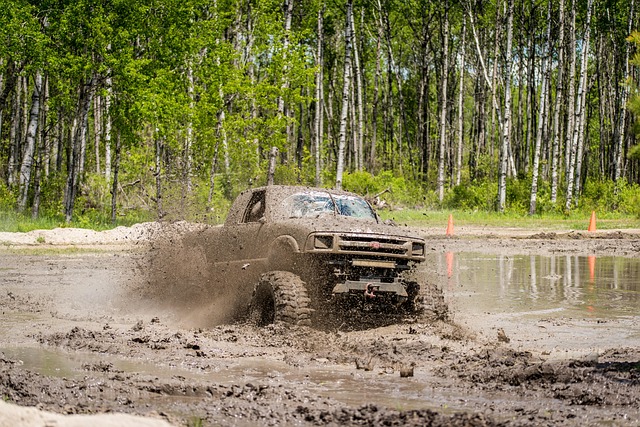
In this comprehensive guide, we delve into the crucial aspect of fleet truck maintenance: brake pad replacement in Brownsville, Texas. We explore the significance of off-road driving techniques, their impact on brake wear, and provide an in-depth analysis for fleet managers to ensure optimal safety and efficiency.
Introduction: The Vital Role of Brake Pad Replacement in Fleet Trucks
In the demanding world of fleet trucking, maintaining peak vehicle performance and safety is paramount. One often-overlooked yet critical component in this equation is regular brake pad replacement. In Brownsville, Texas, where diverse terrain and challenging driving conditions are common, proper brake maintenance becomes even more essential. This article focuses on the art and science of fleet truck brake pad replacement, with a specific lens on off-road driving techniques that can significantly influence brake longevity and overall vehicle health.
Fleet Truck Brake Pad Replacement Brownsville Texas: A Comprehensive Approach
Understanding Off-Road Driving Techniques: The Key to Effective Brake Maintenance
The Impact of Terrain on Brakes
Brownsville, with its varied landscapes encompassing deserts, hills, and even rugged off-road trails, presents unique challenges for fleet trucks. Off-road driving demands exceptional braking power and durability from vehicles, putting significant strain on the brake system.
Techniques for Efficient Braking
1. Hill Climbing: Navigating steep ascents requires a strategic approach. Fleet drivers should use lower gear ratios to reduce engine load while climbing, allowing brakes to handle the deceleration more effectively.
2. Desert Driving: The soft, uneven terrain of deserts can cause rapid tire wear and increased brake heat buildup. Maintaining a steady speed and using cruise control can help manage these factors, reducing the strain on brakes.
3. Rugged Trails: When traversing narrow, winding trails, sudden stops are common. Fleet drivers should practice controlled braking techniques to prevent excessive wear on pads and rotors.
Identifying Brake Pad Wear Patterns
Understanding how different driving conditions affect brake pad wear is crucial for timely replacement. Here’s a breakdown:
-
Front vs. Rear Pads: Off-road driving tends to wear out front brakes faster due to the vehicle’s weight transfer during hard cornering and braking.
-
Inner vs. Outer Pads: Inner pads often experience more wear, especially in vehicles with rear-wheel drive, as they bear most of the braking force when turning.
-
Asymmetrical Wear: Uneven pad wear patterns can indicate problems like misaligned wheels or worn suspension components, requiring further inspection.
Step-by-Step Guide to Fleet Truck Brake Pad Replacement in Brownsville
Preparation and Safety Measures
Before initiating any brake maintenance, ensure the following:
- Work Area Safety: Choose a level, well-lit area free from traffic for safety during the replacement process.
- Personal Protective Equipment (PPE): Wear appropriate gloves, eye protection, and a dust mask to prevent injuries and inhalation of brake dust.
- Jack and Stands: Use heavy-duty jack stands and a reliable jack to safely lift and support the vehicle.
- Emergency Braking Test: Before beginning, test the emergency brakes or parking brakes to ensure they are functioning correctly.
Tools and Parts Required
A comprehensive toolkit for brake pad replacement includes:
- Socket Set: For removing bolts and brackets.
- Wrenches: In various sizes, suitable for your vehicle’s components.
- Torque Wrench: Critical for achieving the correct tightening specifications.
- Brake Pads (New): Ensure they are compatible with your fleet’s make and model.
- Brake Fluid: Top up or replace as needed during the process.
- Gaskets and Seals (if necessary): To ensure proper sealing around new pads.
Step 1: Removing the Wheels
- Loosen and remove wheel nuts using the appropriate wrench, following torque specifications for your vehicle.
- Carefully lift the wheel off, placing it upside down to prevent debris from entering the brake assembly.
Step 2: Accessing the Brake Calipers
- Identify the caliper mounting bolts and carefully unbolt them using a suitable socket or wrench.
- Remove the caliper assembly, taking note of its positioning and any clips or retaining pins used for installation.
Step 3: Inspecting and Replacing Brake Pads
- Inspect Rotors: Look for signs of corrosion, rust, or imperfections. If rotors are warped or excessively worn, they should be replaced along with the pads.
- Remove Old Pads: Use a pry tool (or your fingers) to gently remove the old pads from the caliper.
- Install New Pads: Align the new pads correctly within the caliper bowl and secure them in place using retaining clips or pins, if applicable.
Step 4: Reassembly and Testing
- Carefully reassemble the caliper, ensuring proper alignment with the rotor.
- Tighten caliper bolts to the specified torque.
- Replace the wheel and tighten the nuts securely.
- Bleed the brake system to remove any air bubbles, following your vehicle’s manufacturer guidelines.
- Test the brakes thoroughly at low speeds to ensure smooth and consistent braking performance.
Maintenance Tips for Optimal Brake Lifespan
- Regular Inspection: Schedule periodic brake inspections, especially in regions with demanding driving conditions.
- Stay on Top of Fluid Levels: Monitor brake fluid levels regularly and top them up as needed. Contaminated or low fluid can affect braking efficiency.
- Aggressive Driving: Avoid aggressive braking techniques whenever possible. Smooth and controlled braking reduces wear on pads and rotors.
- Load Management: Optimize payload distribution for better vehicle handling and reduced brake strain.
- Professional Calibration: Consider regular professional brake calibration to ensure optimal performance, especially after major service events.
Conclusion: Prioritizing Fleet Truck Brake Safety in Brownsville, Texas
In the demanding trucking industry, where safety is non-negotiable, fleet managers in Brownsville, Texas, must prioritize comprehensive vehicle maintenance. Effective off-road driving techniques play a pivotal role in extending the lifespan of critical components like brake pads. By understanding terrain-specific challenges, implementing strategic driving practices, and adhering to a structured maintenance schedule, fleet operators can ensure their trucks remain safe, reliable, and efficient across diverse road conditions.
Remember, regular brake pad replacement is not just a maintenance task; it’s an investment in the safety of your drivers, passengers, and cargo, as well as the overall performance and longevity of your fleet.